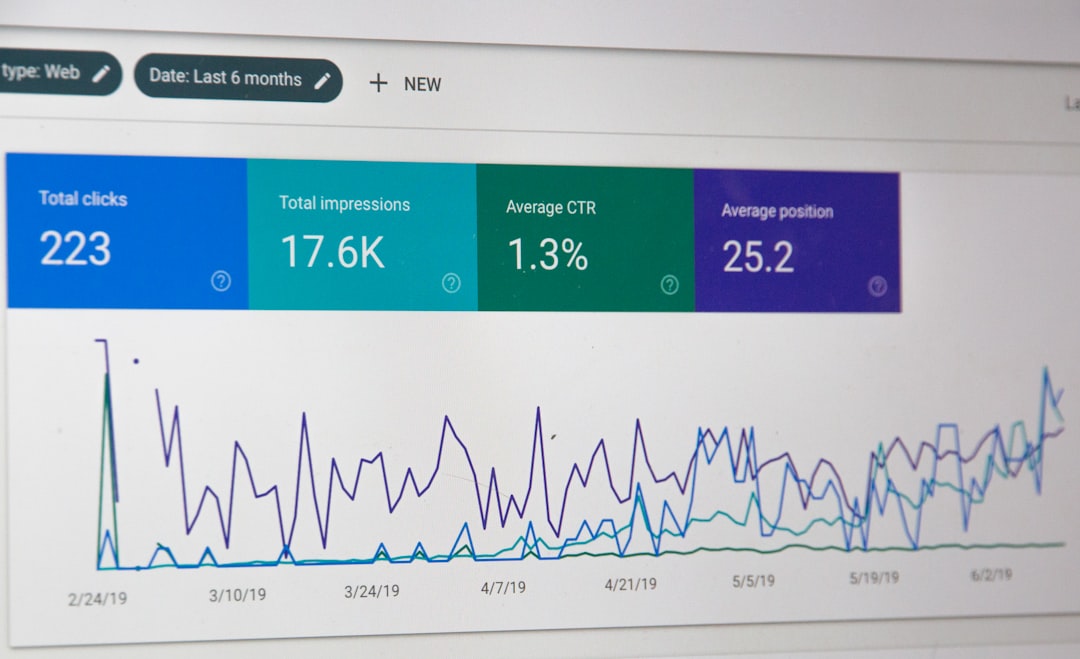
PPC strategy work starts long before you write a single headline or touch a bid. When you skip the planning and jump straight into the ad account, you usually end up paying for lessons you could have gotten for free: irrelevant clicks, fuzzy reporting, and “optimizations” that are basically vibes.
Here’s how we build a PPC plan from zero at crackerJCK: you start with business goals, lock down measurement, build a structure that keeps intent clean, then pair ads with landing pages that actually finish the promise. You will also see where automation is your friend, where it will happily spend your money on the wrong thing, and how to stay in control without micromanaging the platform.
A PPC strategy is the system behind your paid media. It connects goals, budget, targeting, messaging, landing pages, and measurement so your decisions stay consistent and testable as you scale. It is not “turn on Google Ads” or “boost a few posts and see what happens.”
We like to think of strategy as the part that still works when the platform UI changes again. If you want a clean outside definition, Semrush’s PPC strategy framework explains it as the overarching plan that ties objectives to execution across tactics, not just the ad setup.
Your goal decides everything: which platform you start on, what you measure, what your landing page needs to do, and what you will call a win. The most common mistake we see is trying to make one campaign do awareness, leads, and purchases at the same time, then grading it on CTR.
Instead, pick one primary outcome per campaign and write it down in plain English. If your goal is blurry, your build will be blurry. That is why Search Engine Land’s PPC getting-started guide puts alignment before build-out.
Operator tip: write a one-sentence goal that includes a number and a time window. Example: “Acquire first-time customers at $X CAC over the next 30 days while holding contribution margin above Y%.” If the team cannot agree on that sentence, do not touch the campaigns yet.
Channel selection is not a personal preference thing. It is an intent thing. Google Search is built to capture demand that already exists. Meta and TikTok are built to create and shape demand, mostly through creative signals and iteration.
In a new account, we usually start the paid search strategy with the highest-intent queries first, then expand once conversion tracking is stable and we trust the data. If you want a simple third-party breakdown of how intent maps to paid search mechanics, LocaliQ’s paid search strategy overview does a solid job of framing it.
If you are running search, keyword research is not “a one-time spreadsheet.” It becomes your structure, your ad messaging, and your landing page map. Your job is to separate purchase intent from research intent, then decide what you can buy profitably.
Also, build negatives on day one. Not later, not once you “see what happens.” Negative keywords protect budget, clean up search term reports, and stop irrelevant traffic from polluting the conversion data that Smart Bidding learns from.
One quick reality check while you are evaluating early performance: not every metric deserves the same emotional reaction. For example, CTR benchmarks vary wildly by channel. Search CTRs are typically much higher than display, which helps you avoid calling something “broken” just because it does not look like last week’s search campaign.
Campaign structure is where a lot of accounts quietly fall apart. Mix intents, offers, and audiences in the same campaign and you get blended reporting. Worse, you teach the platform that “anything counts,” which makes automated bidding less predictable.
Our rule: keep the inputs clean so the learning is clean. Segment by the factor that will change performance the most, and keep the rest stable.
On Meta and TikTok, “structure” is increasingly creative-first. Yes, you still need thoughtful audience splits. But scaling usually comes from a steady cadence of concept testing, then iterating the winners across hooks, angles, formats, and placements.
Intent match is one of the fastest wins in PPC because it affects everything downstream: CTR, Quality Score, CPC, and conversion rate. Your ad should make the user think, “Yep, that is exactly what I meant,” and then deliver on it after the click.
We build a simple message map per intent bucket:
If you are running paid social and your performance is stuck, it is often a creative mismatch, not a targeting mystery. We broke down the usual culprits in ad creative mistakes that quietly kill your ROAS.
Your landing page is not a formality. It is part of the conversion system. A strong ad paired with a weak page just means you paid to find out your page does not convert.
Keep it simple and aligned. When someone clicks, they should instantly know they are in the right place, what you do, and what to do next.
We often pair paid search and paid social with CRO-focused landing pages because it is one of the cleanest ways to reduce CAC without “needing” more spend. If you are also building content to support demand creation, your paid distribution gets easier when the messaging is consistent across channels. That connection is what we cover in how content and paid media feed each other.
Most early PPC pain comes from unstable inputs: too little budget for the goal, too many changes too quickly, or a bidding strategy that does not match your conversion volume. Automation can work extremely well, but it needs clean tracking and enough conversion data to learn.
A practical way to think about it: if you are only generating one or two conversions a week, the platform is basically guessing. And then you are tempted to change everything, which resets learning, which creates more guessing.
The real operator move is forecasting before you scale. Model the basics: expected CPC, conversion rate, and AOV or LTV. If the math does not work on paper, “optimizing” inside the platform will not magically fix it.
Your PPC strategy needs an operating rhythm. Not set-and-forget, and also not panic-and-change. We like daily guardrails, then weekly reviews where you make deliberate moves.
Track metrics that connect to outcomes, and interpret them in context:
One example of “context”: if Google CTR dips while conversions hold, it is not automatically your account falling apart. The SERP is changing fast. We unpack one big reason in why Google AI Overviews are pushing paid search CTR down.
There is no trophy for being the most manual. There is also no trophy for handing everything to automation when your tracking is messy and your structure is chaotic. What works is controlled automation: give platforms room where they are strong, but keep the inputs clean and manage performance like a CFO, not a spectator.
You can usually get directional signal in 2 to 4 weeks. “Working” depends on conversion volume and your sales cycle. Ecommerce often stabilizes faster. B2B typically needs more time to judge lead quality and pipeline impact.
Start with bottom-funnel search: brand terms if you need protection and message control, plus top non-brand purchase or demo intent. Hold off on broad, research-heavy keywords until tracking and landing pages prove they can convert profitably.
Not for every campaign, but you do want separate pages for distinct intent. At minimum, split high-intent from mid-funnel education, and split different offers like demo vs trial vs quote so measurement stays clean and message match stays tight.
Only if conversion tracking is strong and you have enough conversion volume for the system to learn. Otherwise, start tighter, build negatives, and expand as you validate what converts. Automation amplifies whatever inputs you feed it, good or bad.
We run campaigns in client-owned accounts, forecast outcomes before we scale, and test relentlessly, especially at the creative concept level on Meta and TikTok. You get operator-level accountability and reporting tied to CAC, ROAS, and pipeline, not vanity metrics. If you want a no-charge ad strategy conversation, reach out via the contact page for crackerJCK performance marketing or email hello@crackerjck.co.
A PPC strategy that scales is not a collection of hacks. It is a system: clear goals, intent-based structure, strong creative and landing pages, disciplined measurement, and controlled iteration. Build that foundation first and you will make better decisions faster, with less wasted spend along the way.