Paid social advertising in 2026 is not a game of whack-a-mole with the newest app. It is you getting clear on who you are trying to reach, what kind of creative you can realistically ship, and how much measurement noise you are willing to live with while you scale.
Across the major networks, organic reach is a fraction of what it used to be, so paid is how you buy consistent attention when you need predictable demand.
At crackerJCK, we run paid social across Meta, TikTok, LinkedIn, YouTube, plus a handful of secondary channels depending on the business. We do it in client-owned accounts, with operator-level accountability, and the same lesson shows up in almost every account: you scale faster when you choose platforms based on the buyer and the creative, then test until the unit economics pencil out.
The biggest change is the environment around tracking. Privacy restrictions and platform automation mean you cannot depend on the old playbook of tight targeting and clean last-click attribution. Some of your conversions will not show up where you want them to show up, and pretending otherwise leads to bad budget decisions.
What did not change is the boring truth that still prints money: a strong offer, a clear message, and high-volume creative testing. Platforms are better than ever at finding people who will buy. Your job is to feed the platforms enough good options to learn quickly.
Channel selection is still audience-first. Hootsuite says it plainly: the platforms that drive ROI are the ones your audience already uses, and your objective should match how people behave on that platform. That is covered well in Hootsuite’s social media advertising overview.
If you are trying to get alignment with your team, use three questions. They sound simple, but they stop you from spending because a platform feels trendy.
Answer those, and the platform debate becomes a prioritization problem. You also forecast more honestly because you know what each platform demands from creative volume and funnel structure.
If you are a DTC brand with any kind of mass-market fit, Meta is usually where you earn your first scalable learnings. The scale is still unmatched, and the conversion infrastructure is mature.
But you should plan for Meta to be more creative-led than ever. Broad targeting often works. Over-engineered audience stacks often disappoint. In 2026, the edge comes from concept coverage, fresh angles, and a testing system that keeps you ahead of fatigue. This is where Meta’s Andromeda-era delivery pushes you toward creative as the main lever you control.
TikTok is a serious performance channel now, especially if you sell something that can be shown in a few seconds. The algorithm can still reward native-feeling content, which means you can earn efficient reach without being the biggest spender in the auction. The real cost of entry is not just budget. It is whether you can make ads that look like they belong in the feed.
What works tends to be simple: a hook in the first second, fast pacing, plain language, and a clear next step. If you can build a creator pipeline, tag influencer handles in ads, and iterate weekly, TikTok can drive both top-of-funnel volume and mid-funnel momentum.
If you are choosing between TikTok and Snapchat for a younger demo, we laid out practical funnel differences in our overview of TikTok advertising vs Snapchat ads.
LinkedIn is still the cleanest social platform for B2B targeting by job title, seniority, company size, and industry. You will usually pay higher CPMs, and tests can take longer to reach significance. But if your ACV supports it, the lead quality and pipeline relevance can make the math work.
The pattern we see in 2026 is that cold audiences rarely want your demo on day one. They will take a useful benchmark, a webinar, a strong point of view, or a case study that helps them do their job. Then you nurture and retarget until intent shows up.
YouTube is part entertainment, part education, and part search engine. That mix matters because you can reach people while they are learning, comparing, and getting ready to buy. Many teams underinvest because they assume they need high production value. In practice, performance YouTube usually rewards clarity, pacing, and proof more than cinematic polish.
For DTC, YouTube can support prospecting and lift conversion rates when paired with Meta retargeting and paid search coverage. For B2B, it can be a strong channel for problem-aware and solution-aware buyers who want details before they raise their hand.
One of the quickest ways to waste spend is running the same ad everywhere and calling it omnichannel. What looks credible on LinkedIn can feel stiff on TikTok. What crushes on TikTok can look chaotic in other feeds.
Different platforms reward different formats, and you want your ads to match the user’s expectations. SociallyIn’s guide to platform formats and ad types is useful if your team needs a shared vocabulary for what “native” actually means.
If you want a concrete example of creative variety and multi-platform coverage at scale, check out our Feastables launch case study. It is a good reminder that “more spend” only works when your creative system can keep up.
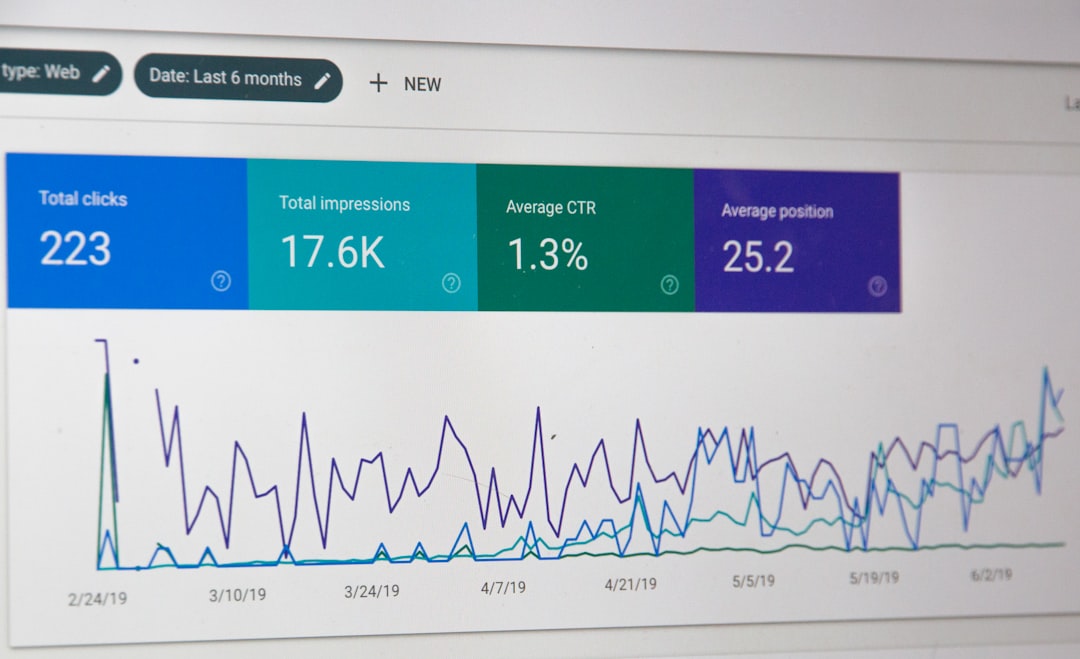
Attribution is still imperfect. Your platform dashboards will underreport some conversions, and different channels will take credit for the same customer at different points in the journey. That is normal now.
So you measure in layers:
If your main objective is lead gen, you will get into trouble if you stop at CPL. You want a KPI stack that follows leads through your CRM stages, all the way to revenue. We laid out a practical way to do that in our guide to KPIs for cost-per-lead campaigns.
When you work with crackerJCK, you are not getting a deck full of hot takes. You are getting a team that models the business, sets clear test criteria, and runs the work inside your ad accounts so your data stays yours.
Most 2026 platform mixes look something like this:
If you want a partner that plans, builds, and scales paid social and paid search with transparent reporting and month-to-month flexibility, start with crackerJCK’s performance marketing agency overview, then email hello@crackerjck.co for a no-charge ad strategy conversation.
Which paid social advertising platform is best in 2026?
The best platform is the one your audience uses during the buying journey, where you can ship platform-native creative every week, and where your CAC and payback period make sense for your margins and LTV.
Should you still start with Meta in 2026?
If you are DTC or you have a broad consumer offer, Meta is still a strong baseline because of scale and conversion tooling. If you are B2B with specific buyer roles, LinkedIn may be a better first step.
How do you choose between TikTok and YouTube?
Choose TikTok when you can consistently produce native short-form creative and you want fast iteration cycles. Choose YouTube when your product needs explanation, proof, or trust-building, and you can support longer narratives that can also be cut into Shorts.
What is the biggest mistake you see across social ad platforms?
You reuse the same creative everywhere and hope the algorithm figures it out. You will spend money, but you will not learn quickly. Concept-driven testing and platform-native execution are what create compounding gains.
How should you measure paid social advertising with privacy restrictions?
Use platform reporting for directional optimization, then use first-party and backend reporting to govern budgets. For lead gen, tie spend to SQLs and closed-won revenue, not just CPL.
Paid social advertising in 2026 rewards clear platform bets, creative that fits the feed, and measurement that your finance brain can live with. If you want help choosing the right mix, building a creative testing engine, and turning spend into line-item revenue, email hello@crackerjck.co for a no-charge strategy conversation.